
Why Does My Dog Listen to Me Inside The House But Not Outside?
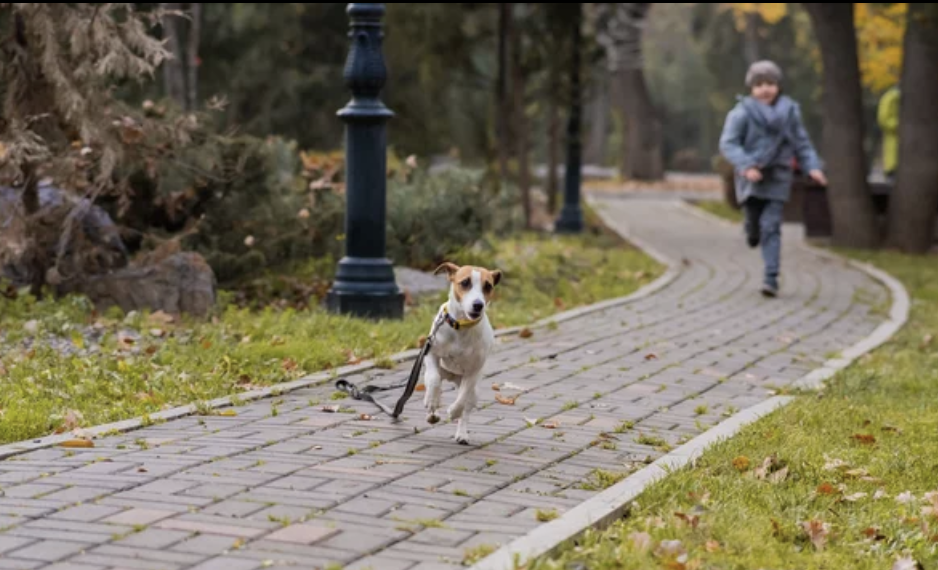
Dogs do not ignore us for no reason. If your dog listens perfectly in the house but suddenly seems deaf outside, there will always be something in the environment competing with you. The mistake many owners make is assuming the dog is being stubborn, naughty or “doing it on purpose”, when actually the outside world is often far more rewarding than we realise. We need to understand why the dog finds outdoors so stimulating, and help him learn that listening to us outside is just as valuable as listening indoors.
Reasons your dog listens in the house but not outside
The outside world is more exciting than you
Inside the house, distractions are limited. Outside, your dog is dealing with smells, dogs, people, birds, movement, traffic and endless stimulation. To us, it may seem like the dog is deliberately ignoring commands. But in reality, his brain is often overloaded.
This is especially common in:
· Puppies
· Adolescent dogs
· Working breeds
· Nervous or highly excitable dogs
If your dog struggles outside, it does not automatically mean he is badly behaved. It often means the environment is currently too difficult or too stimulating for him.
What to do
· Lower the stimuli and build him up gradually. Create more distance between your dog and whatever it is that is drawing his attention. Practise basic commands outside in areas of little or no distraction and reward with something delicious that he only gets when outside. His regular kibble ain’t gonna cut it!
· Be more interesting outside. Don’t ignore your dog on a walk and use the time to catch up on phone calls, or internet scrolling.
· Be more interesting inside the house too. Don’t leave all his fun time for outside.
2. You only practise commands inside
Many owners unintentionally train obedience only in the house. Think about it: you may ask for a ‘sit’ before food. You may ask your dog to ‘stay’ on his bed while you answer the door. You may teach him ‘paw’ or a new trick to exercise his brain. The dog practises listening indoors every single day.
Outside though, commands are often only used when the owner desperately needs them:
· Calling the dog away from another dog
· Calling him back
· Asking him to leave food or wildlife
By that point, the distraction is already far more rewarding than listening.
What to do
Training must be repeated in lots of different places, inside and outside, before it becomes reliable. Start easy, in quiet areas: in an empty car park, on a quiet street or your front garden , in the middle of an empty field etc
3. You are competing against rewards you cannot match
Outside is biologically rewarding to dogs.
Sniffing, chasing, exploring and running all release feel-good chemicals in the brain. This means your voice may simply not feel important enough yet compared to the environment.
This is why repeatedly shouting commands outside often stops working.
If every recall means lead goes on, fun ends, freedom disappears, your dog may actively avoid coming back.
What to do
Instead, make yourself more rewarding outdoors:
· Use higher value treats (cooked chicken, sausage, cheese etc, and vary them)
· Play games (hide and seek, agility, sniffing treats out of long grass, throw a ball – sparingly)
· Praise enthusiastically
· Recall randomly and release him again. Coming back to you does not signify the end of fun.
· Become unpredictable and engaging
· Get eye contact often
· Feed AFTER the walk, so your dog wants to go home
4. Your dog is over threshold outside
A dog who listens indoors but not outside is often emotionally over-aroused.
This can happen through:
· Excitement- this can tip over into obsession, such as chasing squirrels or balls.
· Fear- perhaps loud noises, unpredictable screaming children.
· Over stimulation- this could simply be meeting other dogs.
Once a dog goes over threshold, the thinking part of the brain becomes much less effective. This is why owners often say: “He knows the command at home.” He probably does. He just cannot process it properly in that emotional state.
Signs your dog may be over threshold outside:
· Pulling excessively
· Scanning constantly
· Ignoring food
· Barking or lunging
· Zooming around wildly
· Inability to focus on you
What to do
In these situations, more obedience pressure usually makes things worse. Distance, calmness and gradual exposure work far better.
5. Your dog has learned that commands outside are optional
Many owners accidentally weaken commands outdoors by repeating them over and over.
“Come.”
“COME.”
“Come here!”
“COME NOW!”The dog learns there is no urgency to respond the first time because the cue keeps repeating anyway. And perhaps you give up altogether and follow your dog for another lap around the park. Your dog has just learnt that you are not serious, and he is just practising ignoring you, and therefore getting better and better at it!
What to do
Commands need to stay clear and meaningful.
· Say the cue once. If he ignores, FOLLOW through with what you asked him to do.
· Use a long line for safety. You will also be able to give it a tug if he ignores your recall, and make it impossible for him to disregard you.
· Reward heavily when the dog succeeds
· Avoid commands you cannot enforce. If he is in the middle of chasing a rabbit, it is highly unlikely he will turn on his heels and come running back to you if you call him mid chase. Instead, wait for a break and then call him. Every ignored command slightly weakens the cue over time.
Need any help?