
Why Is My Dog Peeing in the House? Causes and Solutions.
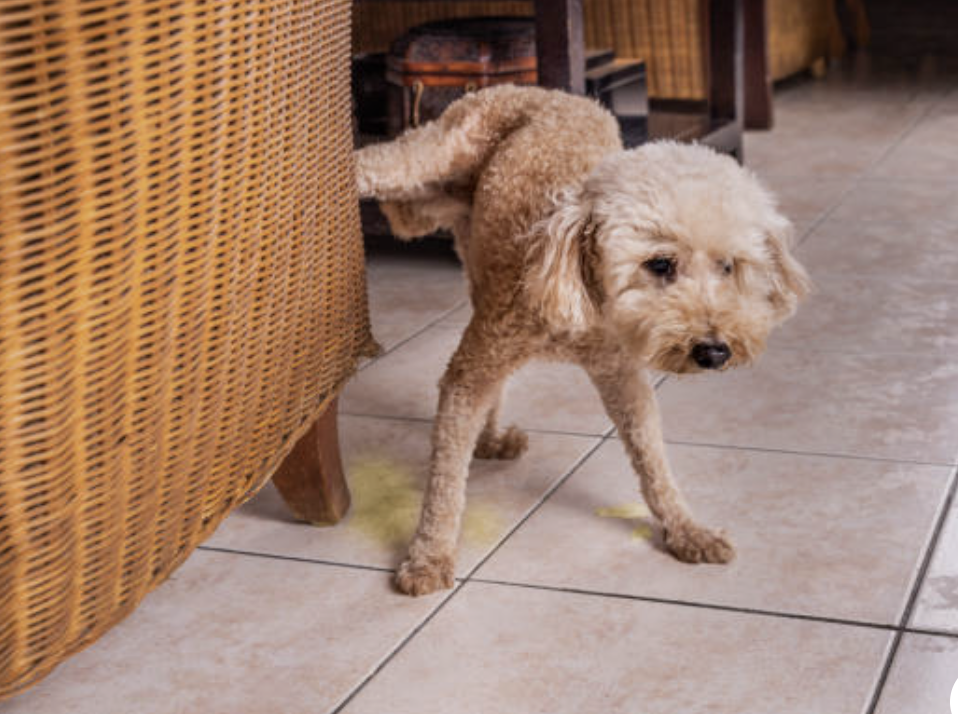
Indoor toileting is one of the most common problems dog owners ask about, and it can feel frustrating, worrying and confusing.
The important thing to know is that your dog is not being “naughty”, spiteful, or trying to get back at you. A dog peeing inside the house is usually a sign that something is not quite right — medically, emotionally, environmentally, or with their toilet training routine. Once you understand the cause, you can put a clear, kind plan in place.
Why Has My Dog Suddenly Started Peeing Indoors?
If your dog was previously house-trained and has suddenly started peeing indoors, your first step should be to speak to your vet. Urinary tract infections, bladder problems, incontinence, pain, increased thirst, kidney issues, diabetes, medication side effects, and age-related changes can all lead to accidents in the home.
Contact your vet promptly if you notice blood in the urine, straining, crying when toileting, frequent small wees, leaking while resting, increased drinking, unusual tiredness, loss of appetite, vomiting, or any sudden change in toileting habits. If your dog is trying to pee but cannot pass urine, seek urgent veterinary help.
Common Reasons Dogs Wee in the House
· Incomplete toilet training: Some dogs have never fully learned where they are expected to toilet, especially rescue dogs, puppies, or dogs who had inconsistent routines.
· A change in routine: A new work schedule, house move, new baby, visitors, renovations, or changes in walk times can disrupt toileting habits.
· Stress or anxiety: Dogs may pee indoors when they feel worried, overwhelmed, left alone, startled by noises, or unsettled by changes in the home.
· Urine marking: Marking is usually small amounts of urine left on vertical surfaces or specific objects. It can be linked to hormones, scent from other animals, stress, or changes in the environment.
· Excitement or submissive urination: Some dogs, especially young or sensitive dogs, may leak urine during greetings, handling, or moments of high emotion.
· Access problems: If your dog cannot get outside quickly enough, dislikes the weather, is distracted in the garden, or has mobility pain, accidents can happen.
· Old smells in the home: If previous accidents have not been cleaned properly, lingering scent can encourage your dog to return to the same spot.
What Not to Do When Your Dog Pees Inside
Don’t tell your dog off, rub their nose in it, shout, or punish them after an accident. This can make your dog anxious, confused, or more likely to do it somewhere where you won’t find it next time, as they know you act nasty around pee. Dogs do not connect punishment after the event with the act of peeing indoors in the way people often expect.
How to Stop a Dog Peeing in the House
1. Go back to basics. Take your dog outside more often than usual, especially after waking, eating, drinking, playing, excitement, and being left alone.
2. Go with them. Do not just open the door and hope for the best. Go outside with your dog so you can reward them the moment they toilet in the right place. Don’t start playing with them initially. Ignore them, let them start to sniff around, then they’ll be more likely to pee.
3. Reward immediately. Use praise, a treat, or a short game straight after they finish peeing outside. Timing matters: the reward should happen right there, not once they are back indoors. Do not put them back inside straight after peeing or they might start to hold the pee, as they know all fun will stop once they’ve done their business.
4. Use a toileting cue. Calmly say a simple phrase such as “go toilet” when your dog begins to pee. Over time, this can help them understand what you are asking for.
5. Supervise indoors. If your dog is having accidents, give them less freedom temporarily. Keep them in the same room as you, use baby gates, or create a safe, comfortable area when you cannot watch them.
6. Interrupt gently if you catch them in the act. Calmly call their name or make a soft sound, then take them outside. If they finish outdoors, reward them warmly.
7. Clean thoroughly. Use an enzymatic pet-safe cleaner designed for urine. Some ordinary household cleaners contain ammonia, which has a scent similar to urine, and will actually encourage a dog to pee over that same spot again.
8. Keep a toilet diary. Note when accidents happen, where they happen, what happened beforehand, and when your dog last went outside. Patterns often reveal the cause.
Is My Dog Peeing or Urine Marking?
Marking is often more about communication and emotion than bladder control. You may see small amounts of urine on furniture, doorways, bags, beds, or places where other animals have been. If your dog is entire, speak to your vet about whether hormones may be contributing.
When a dog urine marks, they are basically saying, “I own this”. In some households this can happen where there is an absence of rules and boundaries. Ie, the dog is allowed everywhere: all rooms, all furniture, including the bed. The dog dictates when his owners must play with him, when they must take him out, when they must feed him. He probably jumps up on people and pulls on the lead too, leading the way from start to finish.
From a psychological standpoint, the fix will necessitate a session with a behaviourist, who can assess that particular dog and tailor make a set of rules which will curb the dog’s leadership tendencies and make him more of a follower. The scent marking will then abate on its own.
Can Anxiety Cause a Dog to Pee in the House?
If accidents happen when your dog is left alone, during storms, around visitors, after changes in the home, or when they seem tense or unsettled, the toileting may be linked to stress. Your dog may need a behaviour plan that helps them feel safer, builds confidence, and reduces the emotional trigger behind the accidents.
Why Does My Dog Pee When Excited or Greeting People?
For dogs who leak when excited or overwhelmed, keep greetings calm and low-key. I would ignore them when you come home and only greet once they are calm. Avoid leaning over them, loud voices, intense eye contact, or over-excited fuss. Let your dog approach at their own pace, greet outdoors where possible, and reward calm behaviour. Many young dogs improve as confidence and bladder control develop, but sensitive dogs may still need support.
Final Thought
Frequently Asked Questions About Dogs Peeing Indoors
Why is my house-trained dog suddenly peeing inside?
A sudden change in toileting can be linked to a medical problem, pain, stress, anxiety, changes in routine, age-related changes, or a lapse in toilet training. If the behaviour starts suddenly, book a vet check first.
Will my dog grow out of peeing when excited?
Some young dogs do improve as their confidence and bladder control develop. Calm greetings, less pressure, outdoor welcomes and confidence-building can all help reduce excitement or submissive urination.
Should I punish my dog for peeing in the house?
No. Punishment can increase stress and may make your dog hide toileting from you. A more effective approach is to clean the area properly, increase outdoor opportunities, reward outdoor toileting, and identify the underlying cause.
What cleaner should I use for dog urine indoors?
Use a pet-safe enzymatic cleaner designed for urine. These cleaners help break down the smell more effectively than ordinary household products, reducing the chance of your dog returning to the same spot.
Peeing in the house is frustrating, but it is also communication. Your dog is not trying to upset you — they are showing you that they need help. With a vet check, calm management, consistent toilet training, proper cleaning, and the right behavioural support, most dogs can get back on track.
Need any help?