
Feeding Your Dog: What, When and How
A guide to choosing the best food, timing meals well and making mealtimes enriching
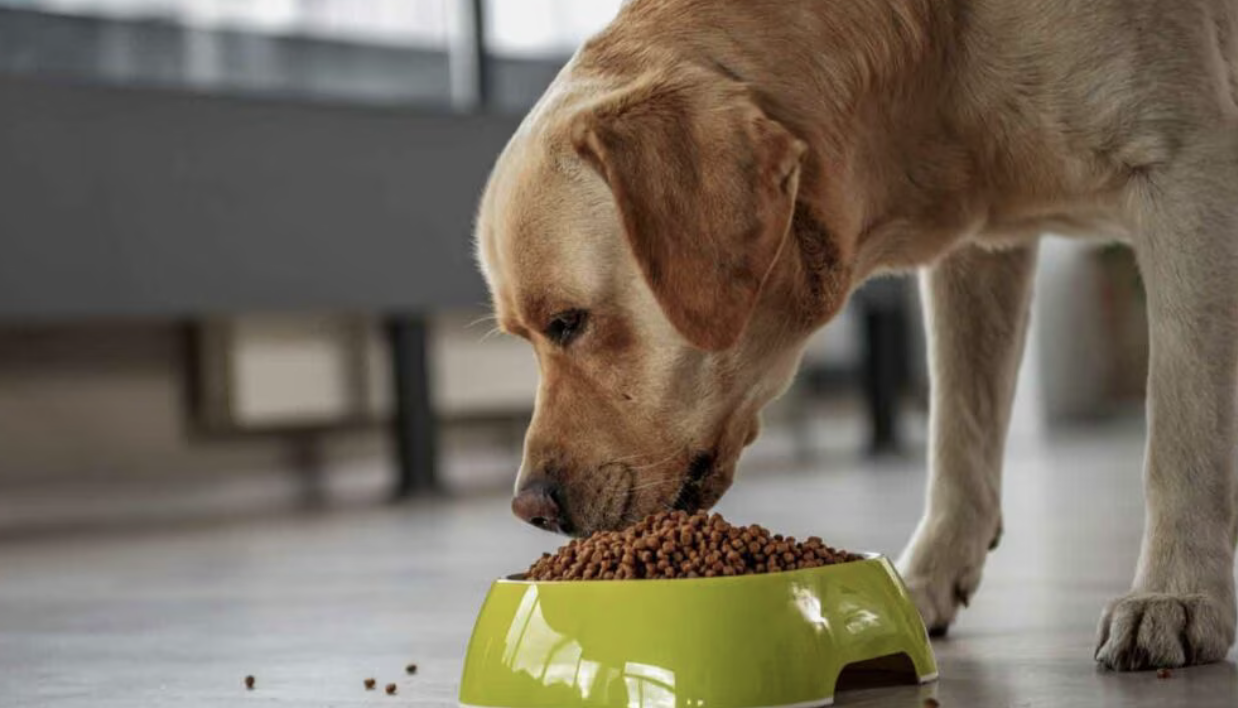
What you feed your dog matters. It’s not only going to affect their health, but their behaviour. When you feed can also play a key part in your dog’s health and behaviour, and how you deliver that food can make the difference between a bored dog and a fulfilled one.
In this blog I will cover everything you need to know about feeding your faithful friends.
What should you feed?
The market is saturated with brands claiming their food is the best, so where does one begin? Canned, raw, kibble, freeze dried, freshly cooked, rehydrated? I am not a nutrition expert, but I can give you my valued opinion based on research and personal experience.
Cost will obviously play a part too in your decision, but be wary of very cheap food as it will likely be full of poor ingredients that may not be giving your dog the nutrition it needs.
Dogs are omnivores. This means they eat everything. However, they are biologically adapted from carnivorous ancestors and still have many carnivore traits:
They thrive on animal protein and fat.
They struggle to digest carbohydrates which put pressure on their pancreas.
They have sharp teeth, not flat teeth which can grind and break down plant cellulose.
They tend to swallow in gulps.
A healthy diet should be labelled ‘complete’ and include a variety of :
· High quality proteins (meat, fish, eggs) to support healthy muscles, organs, skin and immune function.
· Fats such as fish oils for their anti-inflammatory properties.
· Fibre such a vegetables to support gut function and healthy stools. Vegetables should be ground or blended in order to be absorbed.
· Vitamins and minerals are a plus.
Misleading food labels and ingredients
As a general rule, what I have found is that if a dog food has a cute picture of a dog on the front, its rubbish! Most dog foods are packaged to appeal to the human. Left to the dog, he would probably steer well clear!
Take a good look at the ingredients. I’d like to see at least 50% protein in there.
Don’t be fooled by ‘meat derivatives’ – it’s basically sweepings from the floor. It can be claws, beaks, toenails and anything off an animal that has been discarded.
Many foods boast about the amount of vegetables in their food, but a dog’s stomach has not really adapted that much (like its teeth) to digest them properly unless they are put in a blender. If you see chunks of carrot or peas going in, you’ll probably see them again out the other end!
Dogs don’t need carbohydrates. Avoid foods with grains, wheat or soya. These are cheap fillers which are hard to digest and can cause allergies, itching, and erratic behaviour.
Keep away from ingredients with E numbers or artificial preservatives, which can also play a part in skittish behaviours.
Whatever you feed your dog, make sure you vary the flavours. Eg chicken, pork, lamb, salmon, beef, duck, venison, turkey. Not only does it prevent the dog from getting bored of
the food (especially picky eaters) but more importantly it helps build up the gut’s microbiome and general health.
Raw versus kibble
I’m not a fan of kibble.
Apart from being an unnatural texture for dogs to eat, it’s been so highly heat treated that most of the nutrients have been destroyed.
As it is so dry, the dog has to drink copious amounts of water to digest the food, which in turn puts a lot of pressure on the kidneys.
It is a hiding place for cheap fillers, most of which cannot be digested properly, and hence the poo that comes out the other end is enormous- so high is the waste content.
A raw fed dog has very small compact poo, as most of the nutrients have been absorbed by the body.
They need very little water, as the food provides.
Other advantages are less smelly breath, less flatulence, less allergies, cleaner teeth, healthier immune system, shinier coat.
When fed raw, a dog’s stomach enzymes automatically adjust, and actually become stronger than a dog fed kibble or cooked food. When meat is cooked, the bacteria which help build up the strength of the stomach acid are killed.
Raw dog food consists of around 80 % meat, 10% offal, 10% bone. Go to a raw dog food supplier, not a butcher, for the correct balance. Too much bone can make your dog constipated, and no bone can lead to loose stool.
Never mix raw with kibble. They are digested at different rates. Kibble takes longer to go through the system, so would slow down the digestion of the raw food, allowing bacteria to flourish.
Raw dog food is also available freeze dried, so handy for when you are travelling and don’t have the use of a fridge.
Always defrost thoroughly and throw away any that has been left out of the fridge for too long.
Treats
Treats should be included in (not in addition to) your dog’s daily food allowance.
Wherever possible, give 100% meat treats.
Check the ingredients of anything reconstituted into the shape of a
bone/fish/dog/toothbrush etc
Stay away from rawhide. This dried animal skin is soaked in highly concentrated salt baths, lime and chemicals to prolong its life. It’s not easily digestible and can sit in your dog’s stomach for months causing gastrointestinal problems. There is also the risk of obstruction if your dog doesn’t fully chew and break it down before swallowing.
Give raw bones as an occasional treat, but supervise eating, especially if around other dogs. Raw bones are highly prized, and can cause a fight.
Do not give cooked bones. They splinter easily and can puncture the oesophageal lining.
Physical and behavioural problems due to poor diet
If your dog exhibits any of the below, take a look at the ingredients on his food packet. Is there enough protein (min 50%)? Is there any grain, rice, soya, wheat? Are there any additives, preservatives or E numbers?
· Eating their own or another dog’s excrement
· Hyperactivity
· Eating toilet paper, roots, twigs, soil
· Excessive scratching
· Unhealthy coat- dull and dandruff
· Hair loss
· Runny stools
· Weight loss
· Allergies
If the answer is yes, your dog’s diet may not be meeting all of their nutritional needs. In some cases, they may seek out and eat other substances in a desperate bid to add to their diet. (Although these behaviours can have several possible causes and should be discussed with your vet.)
Why feed after a walk?
I see so many clients feed their dog as soon as it wakes, and then take it out on a walk.
Not only is it unhealthy and uncomfortable to walk/run on a full stomach, but also they are missing out on some vital advantages:
Feeding AFTER a walk
· More natural behaviour. Working/hunting for food. Returning home to eat. Rest.
· Gives the dog an incentive to go home. Some dogs don’t like their walk to end, as outside is where most of the fun is to be had.
· Improves recall at the end of a walk. Coming back to you in anticipation of going home for food.
· Exercise builds up an appetite. The dog is more likely to eat a full meal returning home and not pick at its food.
· Eating a full meal is important for the natural rhythm of the digestive system, and means the dog will be more inclined to rest and digest afterwards, allowing you to get on with your chores in peace.
· Makes toileting more regular and predictable if a full meal is eaten.
Let your dog cool down and stop panting before offering a meal- I advise to wait 20-30 mins after exercise- and avoid strenuous activities immediately after eating, as this can lead to vomiting, bloating, constipation or diarrhoea. This is particularly important for large, deep-chested dogs or any dog at increased risk of bloat; ask your vet for individual guidance.
How many times a day should I feed?
Feeding an adult dog twice a day, am and pm, helps balance blood sugar and avoids hunger spikes and restlessness.
One meal after a morning walk, then rest. One meal after a late afternoon walk, then wind down for the night. Dogs find it easier to settle when they have a full belly of food.
Puppies need 3 to 4 meals a day depending on their age. They eat the same daily allowance of food as an adult dog of their breed, but because their tummies are so small, the meals have to be little and often.
Do not leave food down all day
Free-feeding can make food less valuable, blur the daily routine and make it harder to monitor exactly how much your dog has eaten. It also leads to erratic blood sugar levels. Offer a measured portion at set times, leave it down for around 10 minutes, then calmly pick up the bowl.
Avoid repeatedly adding tastier extras, as this can teach the dog that holding out improves the menu.
Dogs who graze all day often find it hard to settle, as they never go into ‘rest and digest’ mode.
A healthy adult dog who chooses not to eat one meal will often be ready for it at the next. They won’t starve themselves! However, frequent refusal of food should be checked out by a vet.
Make your dog’s food work harder
Think about how you are feeding, not just what you are feeding.
A bowl on the floor is quick and convenient—but, for many dogs, it is also rather boring. Your dog’s daily food is a valuable resource, so vary how you deliver it. Used thoughtfully, mealtimes can provide mental stimulation, encourage natural sniffing and searching, reinforce useful behaviours and create positive interaction and bonding with you.
I have seen dogs who leave their food, come alive and eat the whole lot once the food was animated or put into a game, or they were made to work for it.
I recommend varying your feeding methods every day. The list below gives you some ideas, and all of them slow down the dog’s speed of eating, making it better for digestion. They also engage a dog’s natural inclination to work/hunt/sniff for food.
· Feed by hand: use part of the meal during a short, calm training session. Reward eye contact, coming when called, waiting politely, settling on a mat or simply choosing calm behaviour.
· Scatter feed: sprinkle suitable food over grass, or a safe area indoors and let your dog use their nose to find it.
· Ask for something before each mouthful: keep it easy and varied—one piece for a sit, another for touching your hand, walking beside you or relaxing. The aim is cooperation, not frustration.
· Use enrichment feeders: If you don’t have time to interact, put the food in a food ball for them to push around the room, or under a towel or in a carboard box full of scrunched up newspaper. No expensive toys needed. Be inventive!
You do not need to make every meal difficult, and the task should never be so hard that your dog becomes frustrated, confused or walks off.
If you have multiple dogs, supervise or feed them separately. Feeding them together can cause competitipon or encourage them to bolt theor food.
A simple routine to try twice a day
1. Measure your dog’s daily ration, allowing for any food used in training.
2. Take a calm, age-appropriate walk or do another suitable activity.
3. Come home and allow your dog to settle and cool down.
4. Offer the measured meal in a quiet place, using a bowl, hand-feeding, scatter feeding or enrichment training.
5. Remove what is left after 10 minutes.
6. Provide a comfortable rest period, with fresh water always available.
Need any help?